
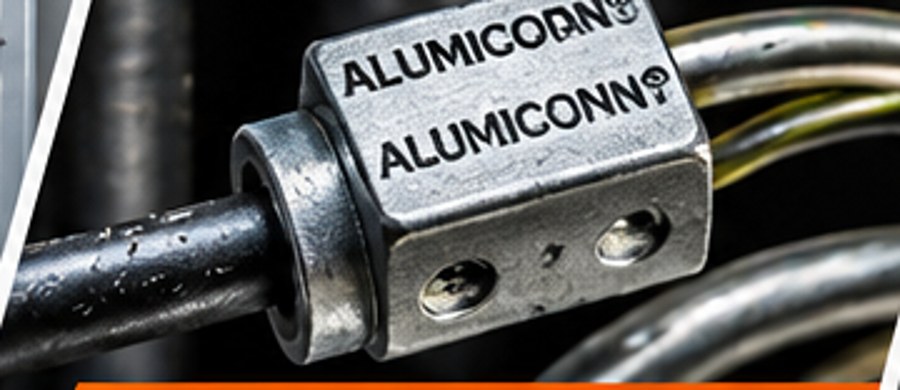
AlumiConn is a mechanical connector used to transition eligible aluminum branch-circuit conductors to copper pigtails. For multifamily owners, the challenge is not simply selecting a connector—it is identifying every affected termination and executing a consistent, documented installation across the property.
How an AlumiConn connection works
Separate connector ports mechanically secure aluminum and copper conductors, rather than placing the dissimilar conductors together under an ordinary device terminal. The connector must match conductor type, size, and listing, and fit within an appropriately sized electrical enclosure.
What qualified installers verify
- Correct identification of solid aluminum branch conductors versus other wiring types.
- Safe isolation and verification that the circuit is de-energized.
- Conductor condition, sufficient length, suitable strip length, and proper seating.
- Manufacturer-specified tightening torque using an appropriate torque tool—never guessing or substituting a universal value.
- One conductor per port where required by the specific product instructions.
- Box-fill capacity, conductor routing, device connections, covers, and applicable local code.
- Replacement or further evaluation of damaged conductors and unsuitable enclosures.
As an example, one published King Innovation three-port connector instruction lists 10 in-lb for No. 12 solid aluminum and 15 in-lb for No. 10 solid aluminum and specified copper conductors. These figures are product-specific examples, not universal installation instructions. The installer must follow the exact product’s current labeling and instructions.
AlumiConn vs. COPALUM vs. rewiring
AlumiConn: mechanical pigtailing that may be practical for phased unit work where conductor and box conditions permit. COPALUM: specialized crimp-based pigtailing with specific tooling and installer requirements. Full rewiring: replaces the affected aluminum branch conductors but usually involves more access, restoration, and downtime. Selection depends on engineering, site conditions, applicable rules, and financing requirements.
Occupied-property sequencing
- Pilot representative units to establish the number and location of affected connections.
- Confirm scope, tenant notices, access requirements, and expected outage windows.
- Schedule by building, floor, and unit, with a tracking record for every apartment.
- Document inaccessible units and concealed conditions separately.
- Perform required inspections and assemble the agreed closeout package.
What is included in a remediation estimate?
Ask whether the proposal covers receptacles, switches, fixtures, junction boxes, panels, hardwired equipment, permits, access coordination, device replacement, box extensions, and finish repairs. The lowest price per outlet is not necessarily the lowest complete-property price.
CPSC Publication 516 · Example AlumiConn installation instructions
Related resources
Request a multifamily project estimate
Call (314) 408-7271 or contact Manpower Electric with your property details, unit count, PCA findings and schedule.
Discuss your property ↗